Author: Artem Bylich - immigration expert at MirBezViz
Simple formulas often get thrown around about Grenada: "expensive," "cheap," "no taxes," "everything is complicated." In practice, it's more nuanced. This is a small Caribbean economy with clear rules, territorial taxation, a heavy reliance on tourism, and a noticeable share of imports. Below is a clear, grounded picture: what to rely on, where to expect costs, and where the real advantages for living and doing business lie.
Economy: small but resilient
Grenada is sensitive to external shocks (hurricanes, pandemics), but after the 2020 downturn, the island has been steadily recovering thanks to tourism, construction, and services. It is more accurate to think not in terms of "poor/not poor," but in terms of resilience and predictable growth drivers.
Taxes for individuals: what matters is the source of income
The key principle is territorial. Generally, income sourced in Grenada is taxed; foreign income of individuals is typically outside the local tax base. Local income is taxed progressively: 0% up to XCD 36,000 a year, 15% on XCD 36,001-60,000, 30% above XCD 60,000. Social contributions (NIS) are calculated separately. For those earning income from abroad and not holding local employment, this is convenient and transparent.
Remote work: the conditions, without illusions
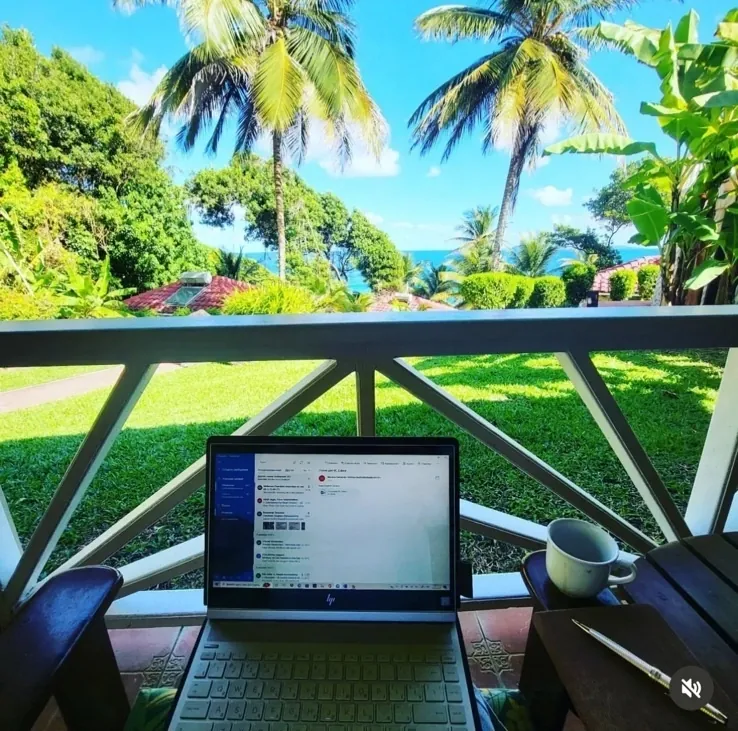
The internet is stable, and coworking spaces are becoming more common. For freelancers and contractors with foreign clients, the territorial principle simplifies the tax picture. But formalities matter: check the visa regime and length of stay, and avoid actions that could create a local tax base or an employee status with a Grenadian company.
Companies and administration
The base corporate income tax rate is 30%. VAT is generally 15%, 10% for tourism; some items are zero-rated or exempt. Government services are gradually going digital, simplifying reporting and dealings with agencies. For international business, it is precisely this predictability of procedures that matters.
Real estate: license, fees, and annual payments
A non-citizen buyer generally needs an Alien Landholding Licence - 10% of the property price. Participants in the citizenship by investment program are exempt from it. On sale, the seller pays: 5% transfer tax for Grenada citizens, 15% for foreigners. The annual property tax is up to 0.8% of market value; land and structures may be assessed separately. Budget for legal support and other related costs as part of the transaction.
Fuel and getting around
Think in the local currency. As of November 2025, gasoline is around XCD 3.2 per liter (roughly USD 1.2/liter); prices are adjusted periodically. A car provides mobility but adds insurance and service costs; minibuses and taxis are often a practical alternative.
Imports and the cost basket
Clothing, electronics, and many medical goods are imported, which shows up in the receipt. Brand-name items are noticeably more expensive than in large economies. On the other hand, seasonal fruit and some local produce help balance out everyday spending. It is sensible to buy electronics and "brands" outside the island or have them delivered.
Tourism as a mainstay
The tourism sector is not only about leisure - it is infrastructure: ports, roads, the airport, jobs, and steady demand for services. For a private investor, this means predictable seasonal cycles and links to a number of adjacent industries, from construction to food service.
Legal environment and reputation
Grenada consistently shows decent standing in international corruption-perception indexes. It is not a "perfect" jurisdiction, but it is institutionally mature: procedures are clear, rules are predictable, and risks are generally visible on the surface and manageable through planning.
Citizenship by investment: what matters
Since July 1, 2024, thresholds have risen: the contribution to the National Fund (NTF) is USD 235,000 (for a single applicant or a family of up to four), real estate is USD 270,000 per share/unit with a 5-year holding period. Discounts and rebates are prohibited. Requirements for applicants have been tightened: a medical exam, verification of the source of funds, a clean record, and, for adults, an online interview.
Wages and personal budgeting
Numbers without context are not very informative. Pay rates in some industries look attractive, but they must be weighed against the cost of housing, transport, and imports. It is more practical to work out your own personal budget - housing, food, connectivity, transport, healthcare, and a reserve - and only then look at current job listings.
What to check before deciding
The source of your income and your tax status (whether you are creating a local tax base).
The visa regime and the length of legal stay.
Housing costs and utility payments in your chosen area.
The full economics of a car: purchase, fuel, insurance, service.
The budget for a real estate transaction: licenses, taxes, legal support.
Healthcare questions: insurance, access to services, and their cost.
Timing of the move: bills, school/kindergarten (if relevant), logistics.
Bottom line
Financial life in Grenada is a mix of clear rules, local particulars, and several strong advantages: territorial taxation, steady tourism demand, and straightforward administrative procedures. When planning a move, an investment, or opening an account, it makes sense to go through the details with MirBezViz practitioners: proper preparation saves time and money.
Note
Monetary figures are given in XCD/USD and are current as of November 2025. Check current rates and prices before making decisions: they change.
Program Grenada Citizenship →Questions about this article?
We'll look at your situation and suggest the next step.